RDNL works on a national training and community platform for data stewards


RDNL, Research Data Netherlands, received 4,8 million euros from Open Science NL to develop a training and community platform for data stewards over four years. ‘This allows them to expand their knowledge and skills, enabling research institutions to make the transition to open science more easily and quickly,’ says Dorien Huijser, closely involved in this RDNL project.
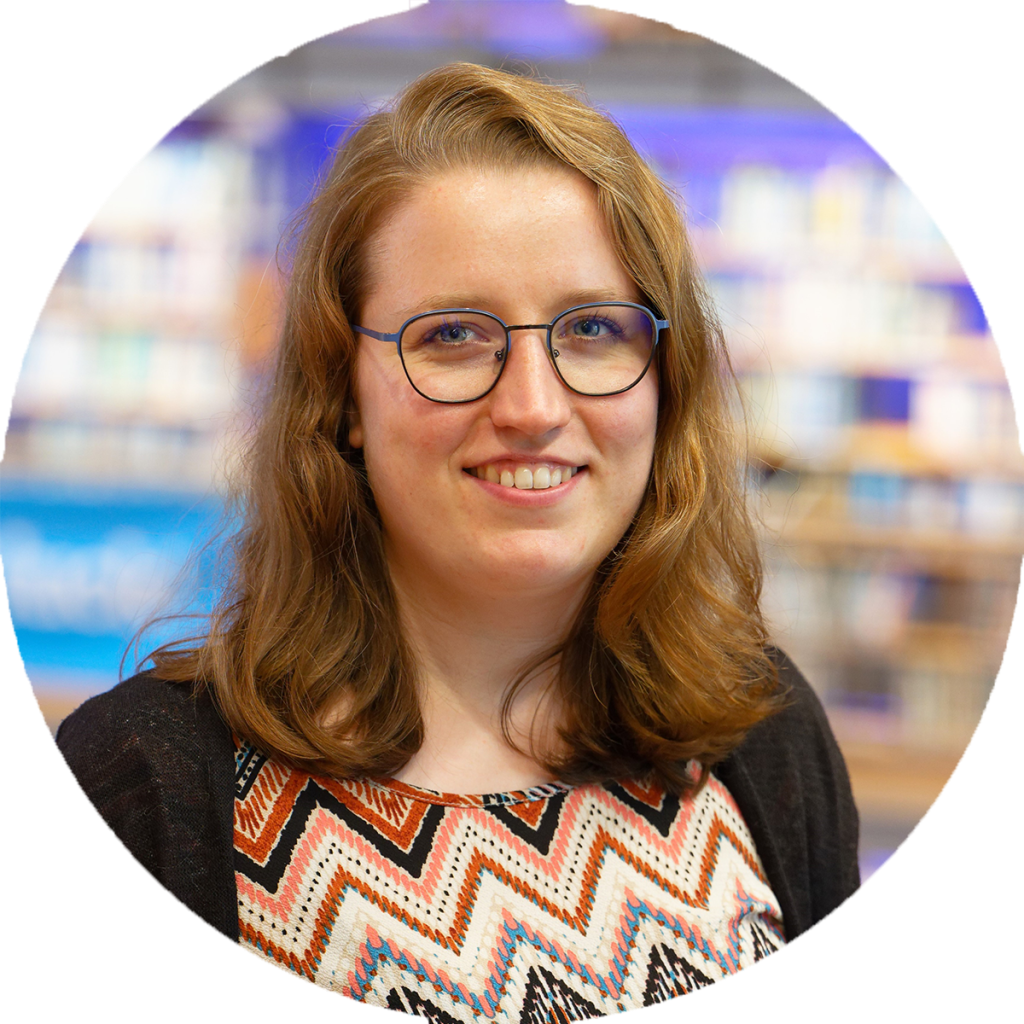
“The platform should become the go-to place for data stewards’ professional development.“
A national platform
The consortium forming RDNL consists of DANS, SURF, 4TU.ResearchData and Health-RI. These expertise centres focus on archiving and sharing FAIR data (findable, accessible, interoperable, and reusable), data stewardship, training, and community building. Huijser: ‘RDNL already offers two courses for data stewards, but beyond that, the training opportunities are quite fragmented. In this project, we want to connect various initiatives and training options more closely through a national platform.’
What exactly will change?
‘On the new national training and community platform, data stewards can find all relevant information about training. We are not only developing new courses, but also want to include courses from different partners in our curriculum. For example, the eScience Center offers a training that is very suitable for data stewards and would fit well in our programme. Because data stewards have such diverse training needs, we aim to offer a wide range of courses. We are also considering badging for successful course completion. This allows data stewards to show which specific skills they have.’
How do you know which training data stewards need?
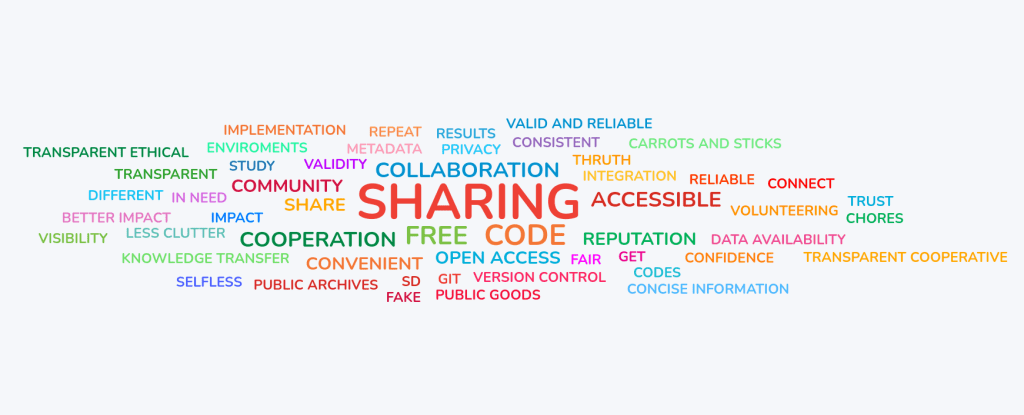
‘During the Open Science Festival in October 2025, we asked data stewards themselves what training they were missing. This produced a long list of training needs, which we will use to update existing courses and develop new ones. In addition, we want to gather input from data stewards on a structural basis so that the training programme remains relevant for them. For example, there will be an annual community event.’
Why are data stewards so important for the transition to open science?
‘Data stewards help researchers make their data FAIR and advise them on this. How was the research conducted? What data do they have? How are these data stored safely and which tools are used? How do they ensure that the data remain findable and shareable over time?
‘This does not happen automatically. A link to a website might no longer work in a few years because the domain name has changed. Clean data are often not easy to understand; you need to provide context so that others can use it. And for the researcher themselves, it is also necessary, because in five or ten years they may no longer recall all the details. Data stewards specialise in this.’
Are there specific themes that are particularly important for data stewards?
‘There are two areas where we could do more. First, more training in transversal skills, also known as soft skills. Researchers need to work more openly, but that is not their expertise. Data stewards must therefore be able to guide researchers to move an organisation more towards open science. Skills in advising, persuasion, communication, and change management are very important here.
‘Second, specific technologies are important. Nowadays, interoperability is a hot topic. This means that data must be usable by both people and machines, and that more automation in research is possible. It is a fairly technical aspect of data management that differs greatly between research disciplines. In mathematics and life sciences, for example, there is already much more standardisation than in more qualitative disciplines such as social sciences and humanities. Data stewards can act as a bridge by specialising in a discipline or technology and showing researchers its potential.’
How do you hope data stewards will use the new training and community platform?
‘The platform should become the go-to place for data stewards’ professional development. They can follow the courses in the curriculum, but they will always have additional questions. We hope they will use the community part of the platform for this: to connect and help each other with everyday problems. For example, using a particular tool, or how to interact with researchers. Some things are better learned by exchanging experiences with colleagues, which we do not need to formalise into a training. And we cannot, because the field is far too dynamic.’
Finally, what happens when the four years are over and the funding runs out?
‘We are working on governance scenarios and on increasing the commitment of stakeholders: training partners, the thematic research communities (TDCCs), the organisations whose data stewards use the platform, and Open Science NL itself and its partners. In addition, in consultation with these stakeholders, we are considering a business model so that the platform can continue independently.’