FAIR Data Fund use case: Sharing high-quality LC-MS/MS spectral data of over 100 emerging chemical risks in the food chain

Federico Padilla-Gonzalez (Wageningen University & Research) talks about his project supported by the FAIR Data Fund (2023 edition).
What is your project about?
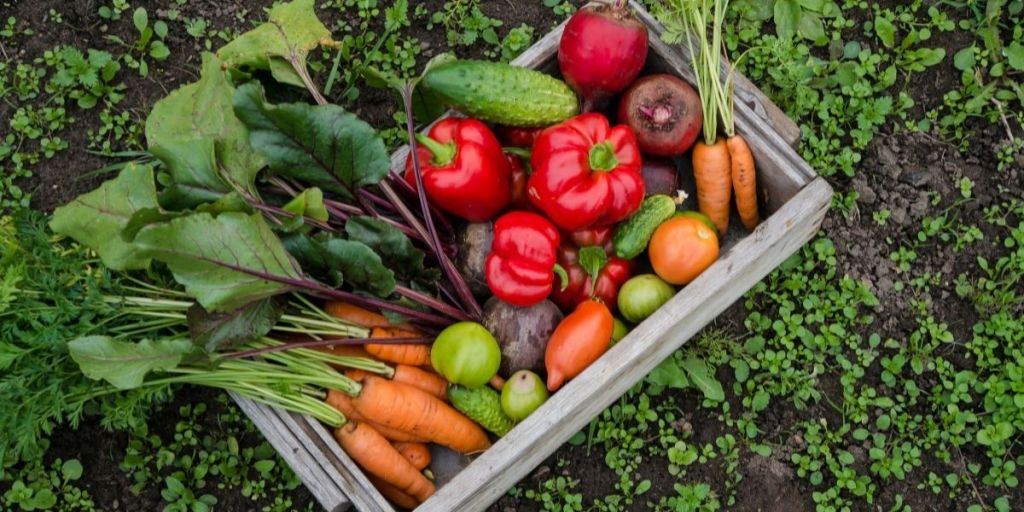
My project focuses on enhancing food safety by sharing high-quality spectral data for over 100 emerging chemical risks in the food chain. These chemicals, which include pesticides and industrial contaminants, are among the risks prioritized by the European Food Safety Authority due to their toxicity and persistence in the environment. Despite their significance, the necessary spectral data for accurately identifying these compounds in food and environmental samples is largely unavailable. Using liquid chromatography coupled with high-resolution tandem mass spectrometry (LC-HRMS/MS), we generated and rigorously curated spectral data for each compound, ensuring reliability. By making this dataset publicly accessible and integrating it into established databases like MassIVE – GNPS, we aim to support laboratories and regulatory bodies in detecting these contaminants more efficiently. Ultimately, the project contributes to better monitoring and management of these chemical risks, thus promoting a safer global food supply.
What are some key results that you can share so far?
One of the key outcomes of the project is that around 70% of the chemicals in our dataset do not have a reliable match with existing spectral libraries like GNPS, indicating that our dataset fills a critical gap in available resources. This suggests that our work is providing novel and valuable information that can enhance the detection of a selected set of chemical contaminants. Additionally, we successfully tested the spectral library on a sample of sewage sludge intended for use as plant fertilizer. Our library allowed us to identify a contaminant that might have otherwise been missed using conventional resources, highlighting its practical value in real-world food production systems.
How is the FAIR DATA Fund helping you with your project? What is the added value?
The FAIR DATA Fund was essential in making this project a success. The fund allowed us to ensure that the spectral data is findable, accessible, interoperable, and reusable (FAIR), thus maximizing its impact. Furthermore, it spurred the development of larger-scale initiatives within Wageningen Food Safety Research, where we aim to expand the spectral library to cover between 1,000 and 2,000 food contaminants and residues. For each compound, we are generating at least six different spectra at varying collision energies to enhance the dataset’s comprehensiveness. Part of this expanded dataset will also be made publicly accessible, offering valuable resources to the scientific community and further supporting global efforts to improve food safety.
Federico Padilla-Gonzalez (Wageningen University & Research) is one of the FAIR Data Fund 2023 grantees.